What you'll find in this article
In this Meet the Team interview, David Semmens, Chief Investment Officer at Cadro, describes his move from sell-side economist to investor and how he runs Cadro's Investment Committee. He explains the difference between forecasting what markets should do and investing for what they will do. He also covers Cadro's data-led approach to portfolio construction and its high bar for choosing active fund managers. Finally, he sets out the themes the investment committee is watching: technology, clean water, and private markets accessed through listed vehicles trading at a discount to their Net Asset Values (NAV).
Introducing David Semmens
David Semmens is Cadro's Chief Investment Officer and Chair of the Cadro Investment Committee. After studying economics at the University of Warwick he spent several years as a senior economist and research strategist in New York and Paris, before moving into asset allocation and investment strategy for HSBC Global Asset Management in London in 2015. After completing his MBA at the University of Cambridge, David became Wealthify's Head of Investment Strategy in 2018, before taking over as the investment service's Chief Investment Officer in 2020. He became Cadro's founding CIO in 2022, and has been fundamental in the design and strategic make-up of the wealth manager's portfolio construction and investment process from that time. He remains an Investment Committee Member at his former firm, Wealthify, and Chairs the Investment Committee of The Royal Company of Merchants of the City of Edinburgh and sits on the Board of RiskSave Technologies as a Non-Executive Director. He is also a Board Advisor for CNUIC (Deep tech lithography). David is a CFA Charterholder.
An interview with David Semmens
I'm David Semmens, the Chief Investment Officer, or CIO, here at Cadro. I oversee the investment department, chair the investment committee, and then also sit on the private markets investment subcommittee as well.
How does your former life as an economist inform your role as an investor?
I like to describe myself as a reformed economist. So, when I first went to New York, I was a sell-side economist making point forecasts about the outlook for GDP, inflation, what that would mean for consumers and also central bank interest rates, reading a lot of central bankers' statements.
So, I've got that depth of knowledge. But a lot of the time, particularly during the Global Financial Crisis and the various crises we've seen since then, so we've had the European debt crisis, we've also had Covid, we've had the Russian invasion of Ukraine, and then we've also had the conflict between the US and Iran.
A lot of the time you have what maybe markets should do, which is what economists will look at from their models. Whereas from an investment point of view and as an investor, you want to think about what they will do rather than what they should do. And I think that's probably one of the key things.
As an economist, you're making these forecasts and you can update them as you go along. Whereas as an investor you are marked day in, day out on what your returns are looking like. So there is constant feedback. There is certainly a hierarchy amongst economists. You have economists that do well at forecasting and economists that do not. But there is less actual money being put to work, typically, by economists, although that's not always the case.
How did you design Cadro's investment set-up with the Co-founders?
One of the things that I taught myself to do pre-ChatGPT and Claude was learn how to code. So we have a very data-heavy approach here at Cadro. So while we are a smaller (in terms of number of people) nimble firm, we use technology smartly in order to pull together as much data as possible, present it in an easy-to-read format, and that allows us to focus our attention on the vast amounts of data out there. It essentially acts as a map showing us where to look and helps focus our attention. So I built the data science packs behind that.
And again, when we were having our very early ICs, we were very open and frank about what was missing, what we might like to have, and that sort of conversation, when you're in a larger firm, can take a bit more time. There's a few more committees, whereas you can have those conversations very quickly in a boutique.
I also took the fund research knowledge that I had and brought that to Cadro. We used that process to select the best way to express our views. So we have a very high bar for using active managers. And that process is something that I put together. Equally, how we like to think about the future: what should we be looking at? And again, building the IC pack around that. So it makes it easy for all the voting members to have a focused and constructive discussion.
But ultimately in a firm, no one person is driving anything. So I do get a lot of feedback. People will suggest things that they would like changed, and I think that's also part of the fun because ultimately, if you're not growing and changing, then you're ultimately falling behind.
What does the Investment Committee do for clients?
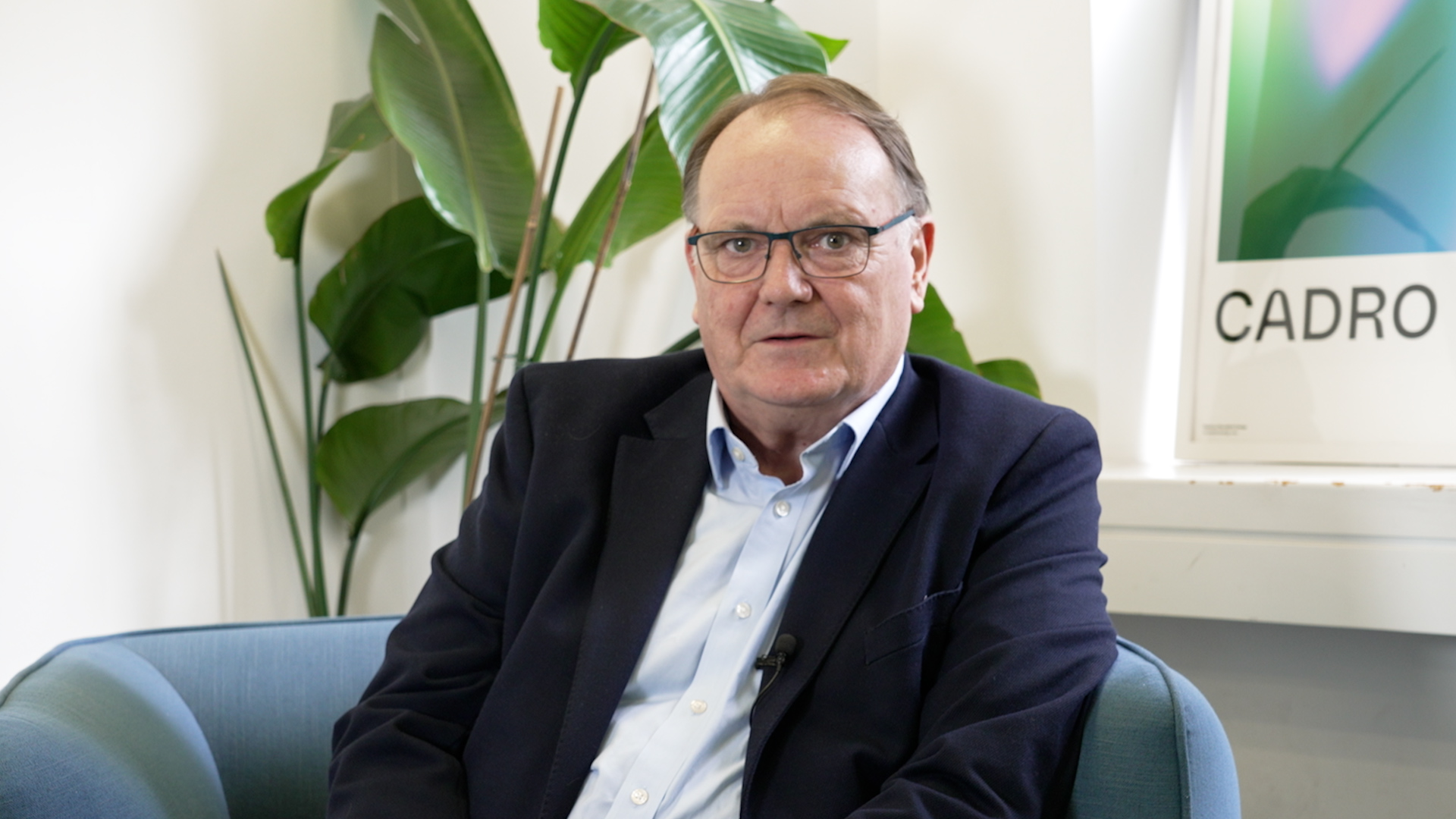
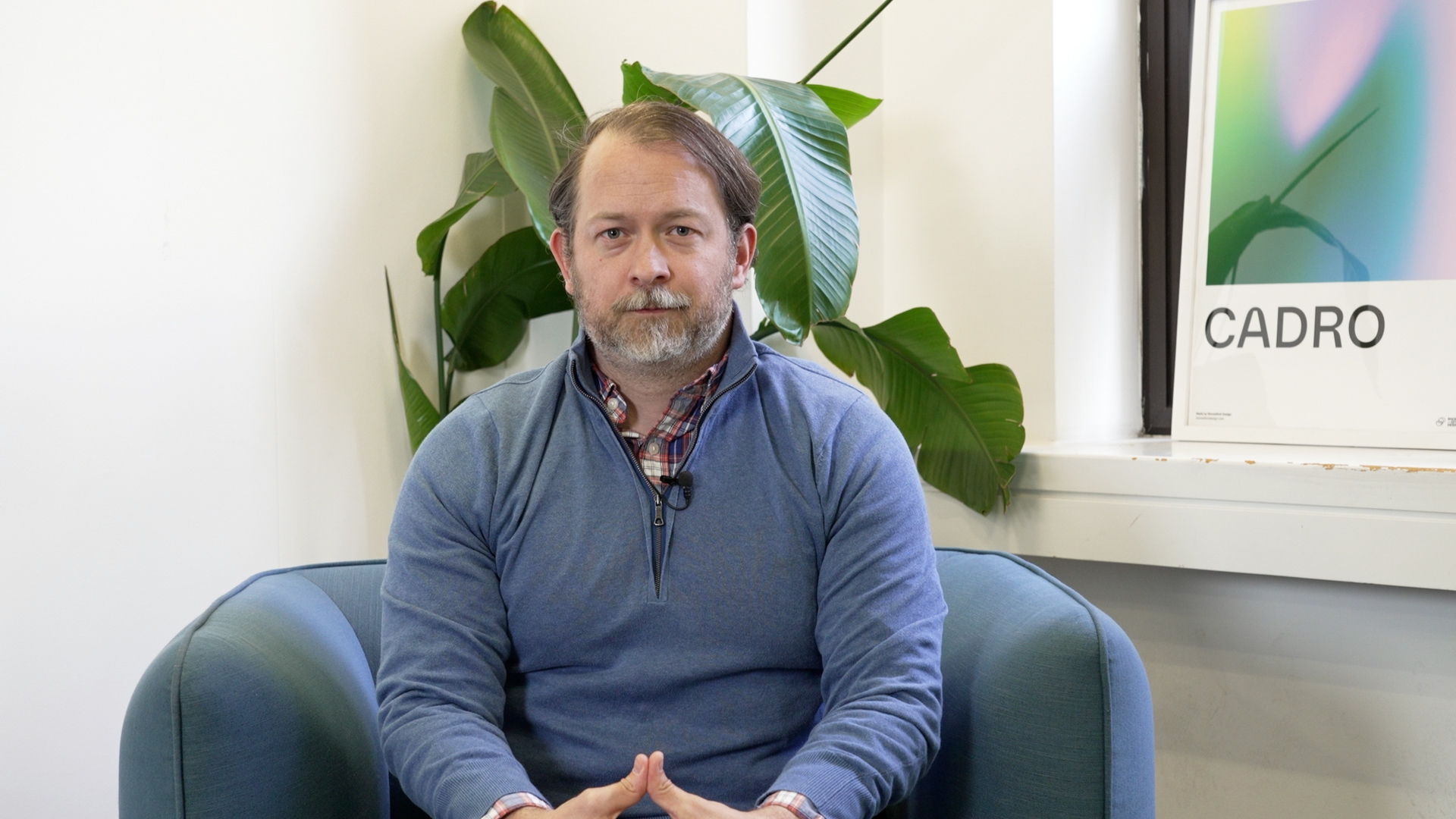
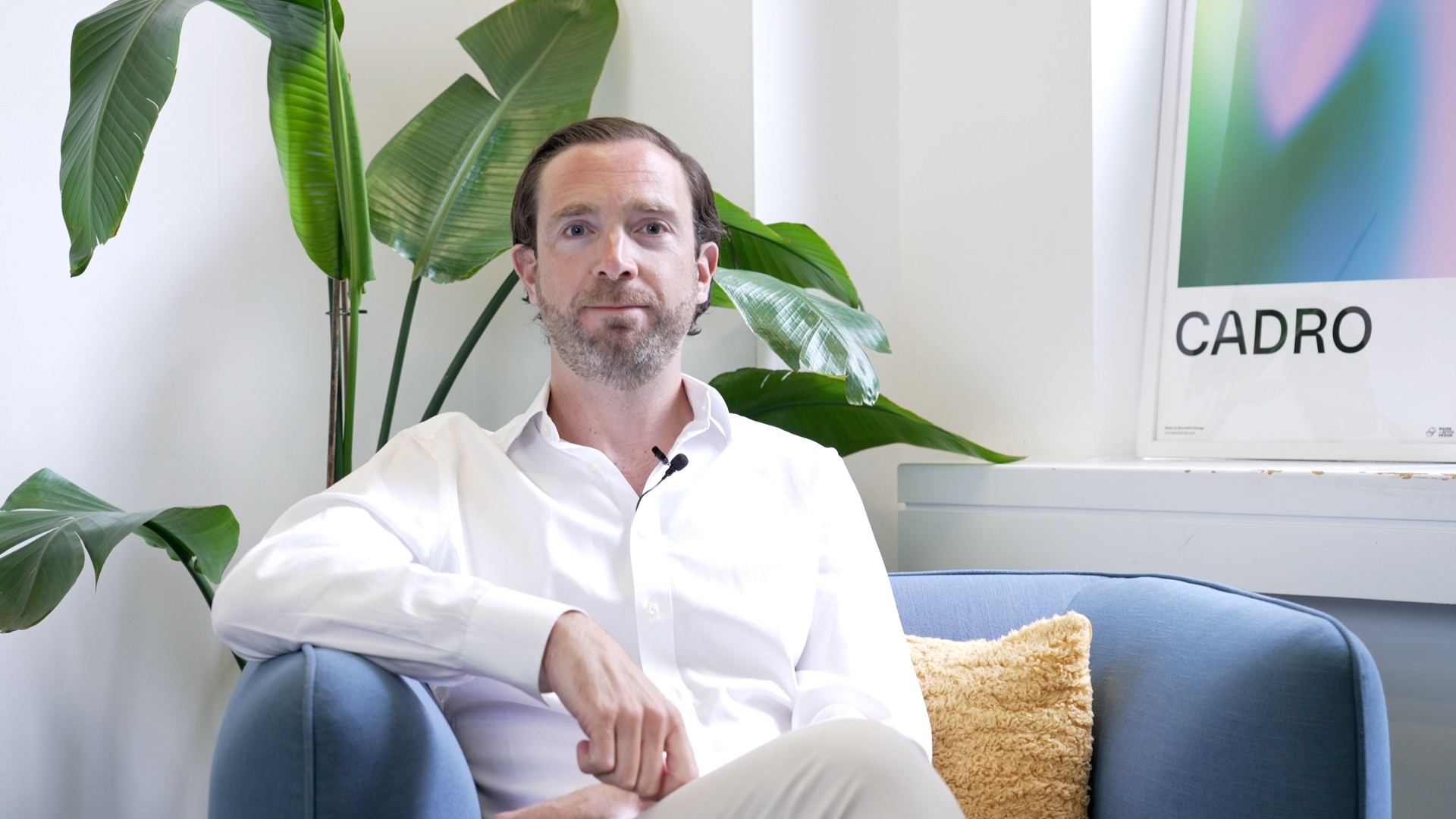
An investment committee is ultimately the governance body that decides how your portfolios are going to look. My role is chairing that and overseeing the investment department. So we will make a lot of the suggestions. But it's not just internal members that we have. So you will have seen the videos with our external members, Gail (Schumacher) and Jonathan (Marriott). They will have a lot of ideas and alternative views to challenge our outlook. Ajay (Patel), Nataša (Williams) and Jordan (Buck) are full-time employees, but they're also challenging the views day in, day out.
We meet on a monthly basis, more if needed, but I think having that more regular cadence and meeting schedule keeps us on top of the outlook and keeps us on top of what is really, especially for me, the most important part of the job. And that's looking after people's wealth.
How does the Investment Committee make decisions?
We have six voting members on the investment committee. My role as chair is not only to present potential changes or points of view that we need to explore, it's also to encourage others to do the same. It's also to drive the debate, make sure that there is sufficient challenge, and I think that's one of the most important things that we have for IC that has helped drive performance.
We've been very pleased with how our performance has gone, but we want to maintain that and that is only so far. So it is that open debate, thinking about what can go well and what can go wrong with any change. But equally, doing nothing is an active decision. So we always challenge ourselves about what aren't we worrying about? Because when things go well, essentially your portfolio that we have constructed will take care of itself. It's when things change that we need to make sure that we are ahead of that, and we have thought about the possibilities wherever possible.
How is the Cadro IC different?
I think probably the key differentiator, at least from what I have seen of other investment committees, is that we probably push ourselves harder on what can go wrong. Why is this going to work? Why should we make this change? Why shouldn't we make this change? And that's not to say it doesn't happen elsewhere.
Having the diversity of experience means that people have different perspectives on how they think about the world, how they think about financial markets, and what factors are important for a bond investor might be very different for someone who has more of an equity tilt, whereas sitting overall, I have to balance those competing views and come to a decision. You can have interesting discussions. That's part of the fun of the job, but ultimately you want to be driving strong portfolio performance, managing your risks well and thinking about where we are going.
What key themes are included in portfolios?
One of the most important things when it comes to investing is not to invest where the value has been. You want to be where the value is going to be created. So for us, one of the key themes that we look at is technology. How do we express that using the funds, and also challenging ourselves on which is the best fund to express that. So one of the funds that we use to invest in technology has a very strict valuation approach that helps complement the rest of the portfolio, because ultimately we are looking at it from a risk perspective as well.
Another thing that we look at is clean water. So if you think about global population and AI infrastructure, there is going to be significant demand in that area. But is it a technology play or is it a utility play? When you look at water companies in different countries, it can be either or. For us, it should be both. And that's why we like this theme, because there is significant potential ahead.
Some of the other themes that we like are investing in private markets through listed vehicles. So these will be portfolios which are trading at a discount versus their NAV. And for us, again, that's an edge that we have as a firm. Having that insight, institutional knowledge.
What's the best lesson you've learned as an investor?
Probably the most interesting consistent theme from both my economist career and investing career is that humans often run from one side of the boat to the other. They can become too optimistic and too pessimistic, and it's important to try and hold yourself back from that. Which is why I like to have such a data-rich approach. But you can't just be data-led, you have to have a holistic view and think about what does this data mean? What does it mean with regards to policymakers? How does it fit with politics as well? Because policymakers aren't just central bankers, they aren't just politicians. It's all of those, and they all have an impact on the future. And again, it's not having a simple answer. It's having a range of outcomes, attaching probabilities to those and investing accordingly.
How do you work through times of market stress?
If markets always went up then probably anyone could be a CIO. But I think one of the key things that you need to bring to an investment committee is a sense of detachment, to a point. It's very easy when markets are going against you to change your mind, and you should change your mind, but you need to change your mind when the data changes and have a good reason. Thinking about, is this change going to be structural or tactical? Is it going to be a reversible or irreversible change for the landscape? You're never going to get everything perfect, but if you size your risks accordingly, then you can have a better outcome than the market.
Disclaimer: This article is intended for informational purposes only and does not constitute investment advice or a recommendation to engage in any investment activity. It does not take into account the investment objectives, financial situation or particular needs of any individual. Capital at risk. The value of your portfolio can go down as well as up and you may get back less than you invest.